Four centuries of hair.
Nothing here is new.
Braids, waves, a blunt bob, a fade. People have been sitting in a chair letting someone else decide how they'll look for a very long time. These are some of the ways they've done it.
Pictures are being gathered. The two here are from the archives; the rest are described until we have an image worth showing.
-
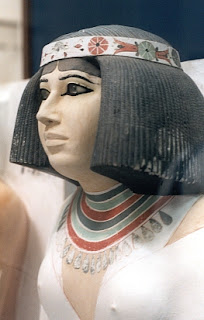
c. 1500 BCBraided wigs, EgyptPlaited wigs set over shaved heads, held with a patterned fillet and worn with a collar to match. Braiding is one of the oldest things we do to hair, and the earliest evidence of it is already decorative rather than practical. -
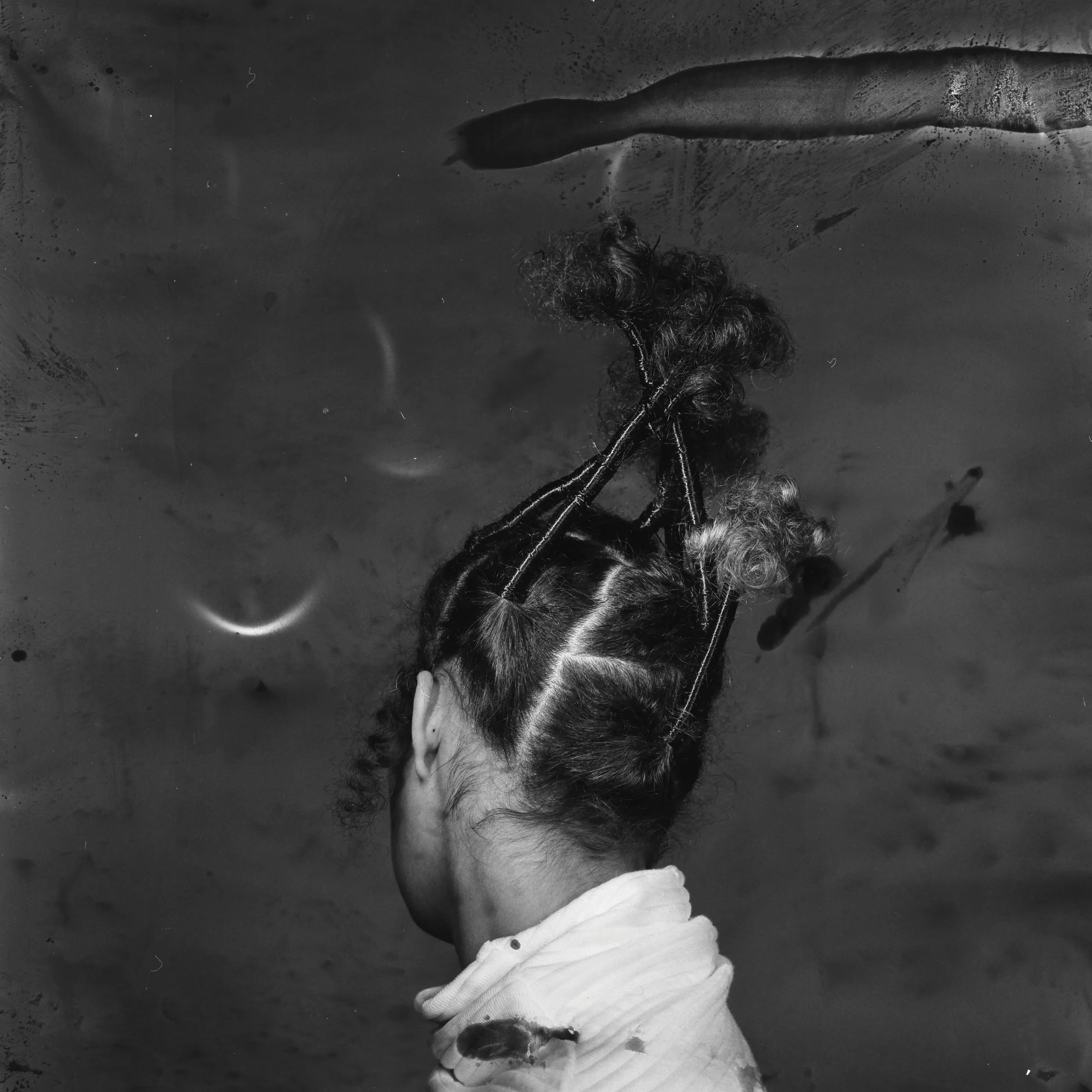
from c. 1400Irun kiko, YorubalandHair sectioned, wrapped tightly with black thread and drawn into standing shapes. Still done today, still called threading, and still one of the gentlest ways to stretch coils without heat. From the series Irun Kiko, which reads these shapes as a contemporary African symbology rather than a historical curiosity. -
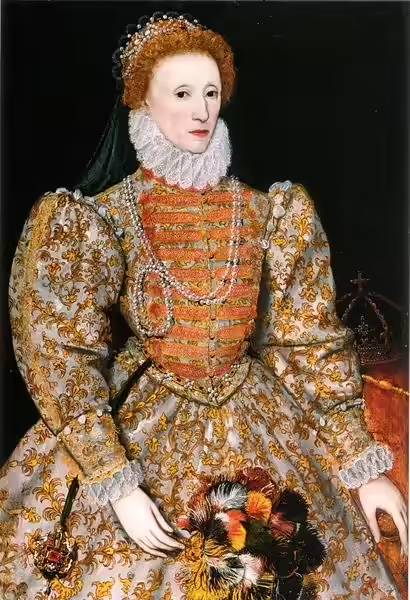
1580sThe Elizabethan foreheadTight curls dressed high at the sides, the hairline plucked back to raise the brow, the whole thing pinned under jewels. A fashion that required losing hair on purpose. -
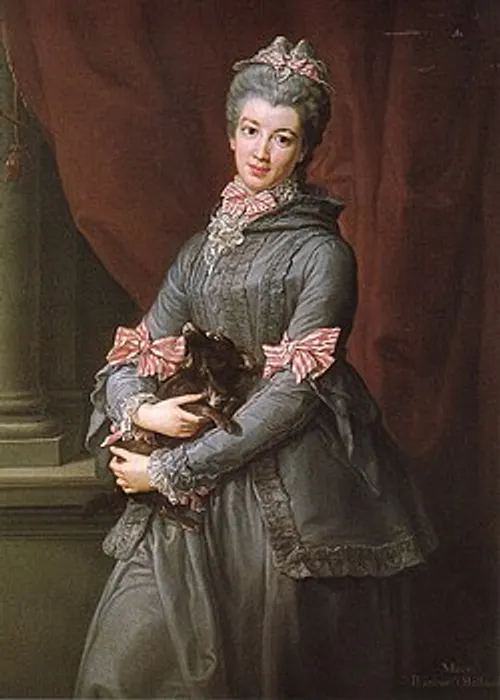
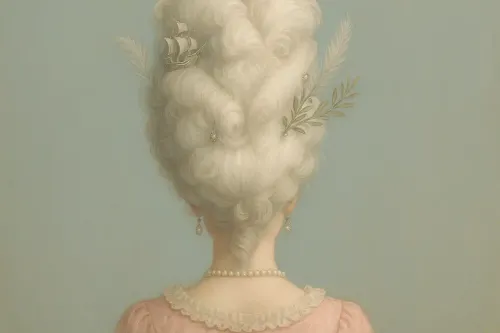
1770sThe poufHair built up over wire and horsehair pads, powdered, and then decorated with almost anything — ribbons, feathers, foliage, and on occasion a model ship. Georgian hairdressers were closer to set-builders than stylists. -
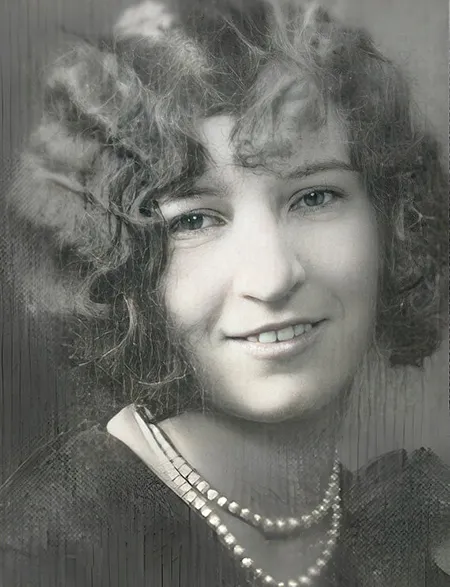
from the 1870sThe Marcel waveFrançois Marcel heated a pair of tongs and found a way to put the same S-wave into hair again and again. The first properly industrial hairstyle, and the ancestor of every blow-dry since. -
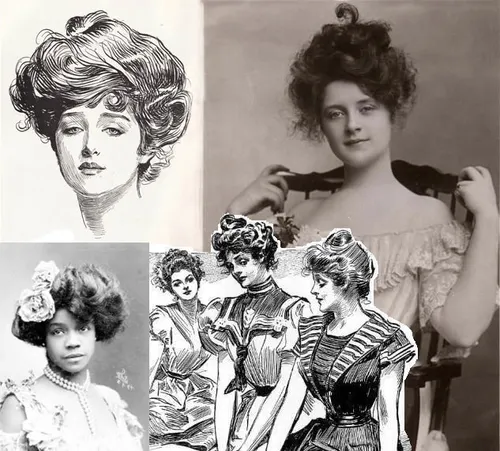
1900sThe Gibson girlEverything swept up and forward into a soft pile, pinned over pads to give it bulk. Drawn by Charles Dana Gibson, then worn by everyone who could pin it — the look the bob was a rebellion against twenty years later. -
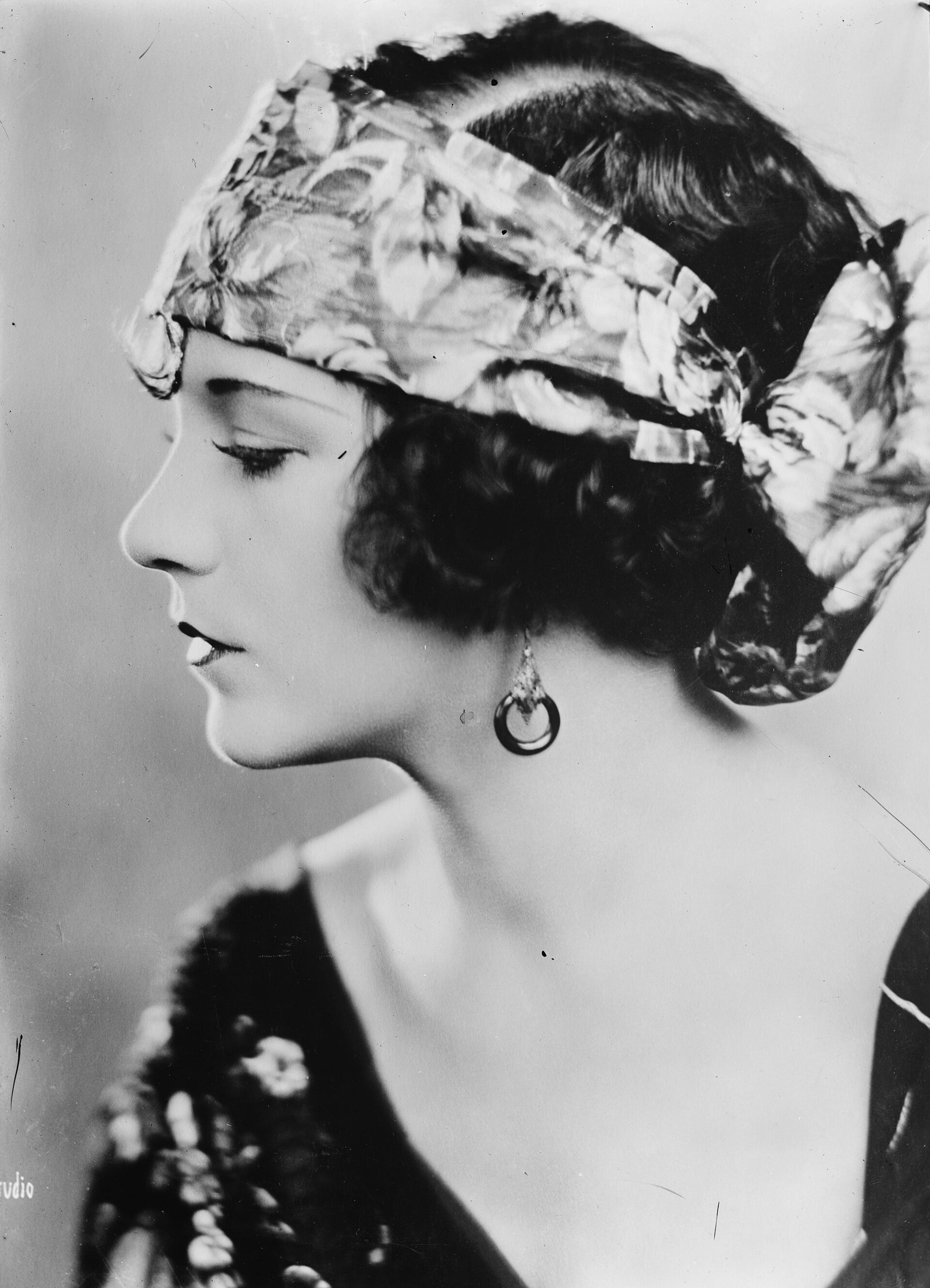
1920sThe bobViola Dana, photographed by the Bain News Service. Cutting it off was the scandal. The blunt line survives unchanged on our home page. -
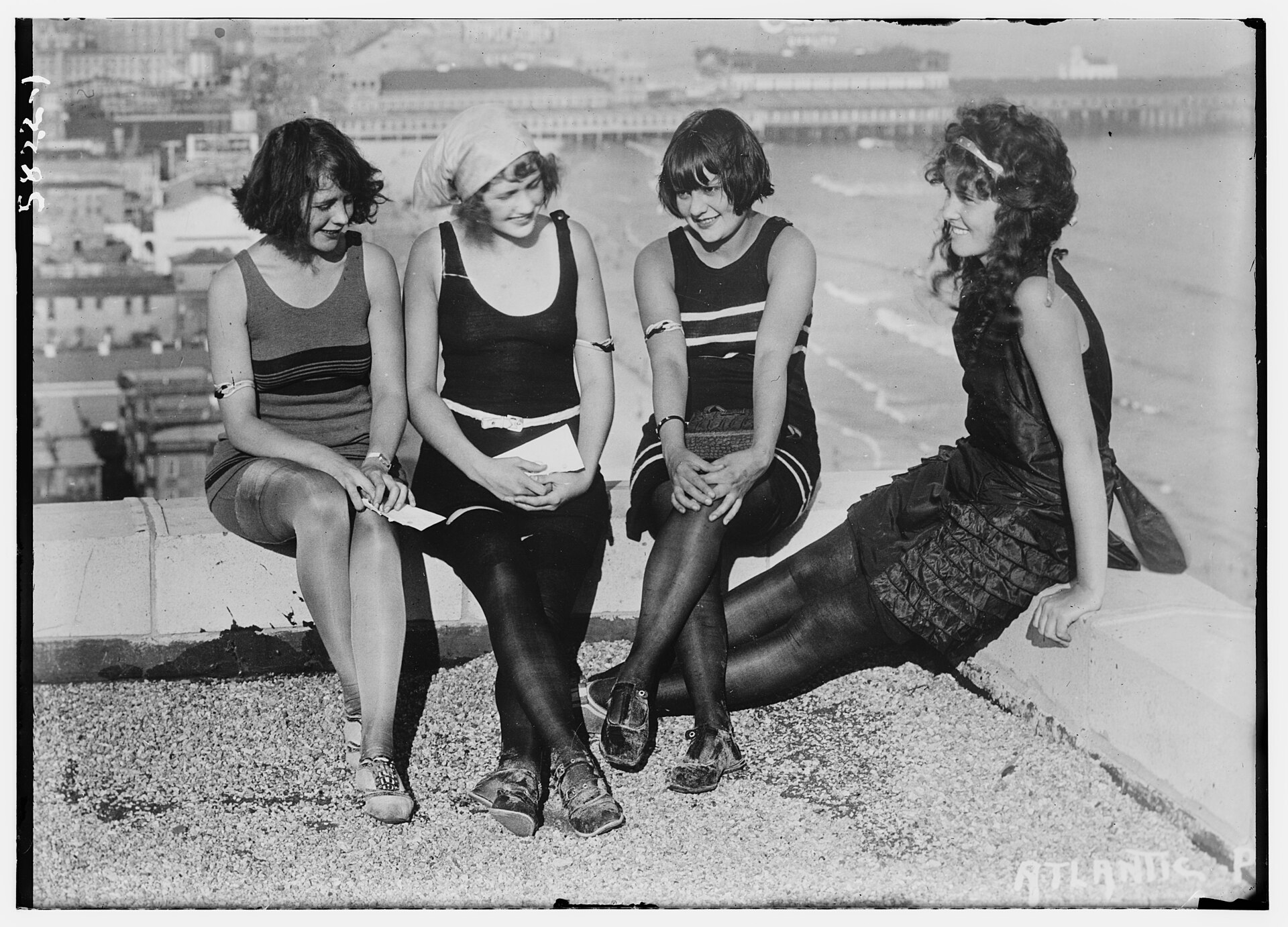
early 1920sFour on a roofFour women, four different sets, one afternoon. Getting your hair done has always been something you do near other people. -
1930sFinger wavesWaves pressed into wet hair by hand and comb, then set hard. No heat, no tongs, just patience and a very steady thumb. -
1940sVictory rollsHair rolled up and back over the temples, named for the aircraft manoeuvre. Built to survive a factory shift. -
1950sThe conkChemically straightened with lye that burned the scalp. Malcolm X wrote about his first one with shame. Worth remembering when we talk about what hair costs. -
1960sThe beehiveBackcombed, piled and lacquered. Margaret Vinci Heldt cut the original in Chicago and the shape never entirely left. -
1966The afroWorn natural when that was a statement rather than a style. The cut on our home page is the same one, sixty years on. -
1970sCornrows, back in publicAncient, continuous, and suddenly on television. Protective styling has never needed reinventing, only permission. -
1980sThe hi-top fadeFlat on top, sharp at the sides, measured with a comb and a lot of confidence. Barbering as geometry. -
1990sBox braidsSquared-off parts, extensions to the waist, six hours in the chair. The style that made braiders into a profession people booked weeks ahead. -
2010sThe silk pressFlat-ironed smooth without relaxer, so it reverts when it gets wet. Straightening that no longer has to be permanent. -
todayKnotless braidsFed in gradually so there is no knot pulling at the root. A small change in technique that saved a lot of edges.
Want one of these?
Every look here has a name, and somebody near you who does it. Browsing is free; booking happens in the app.